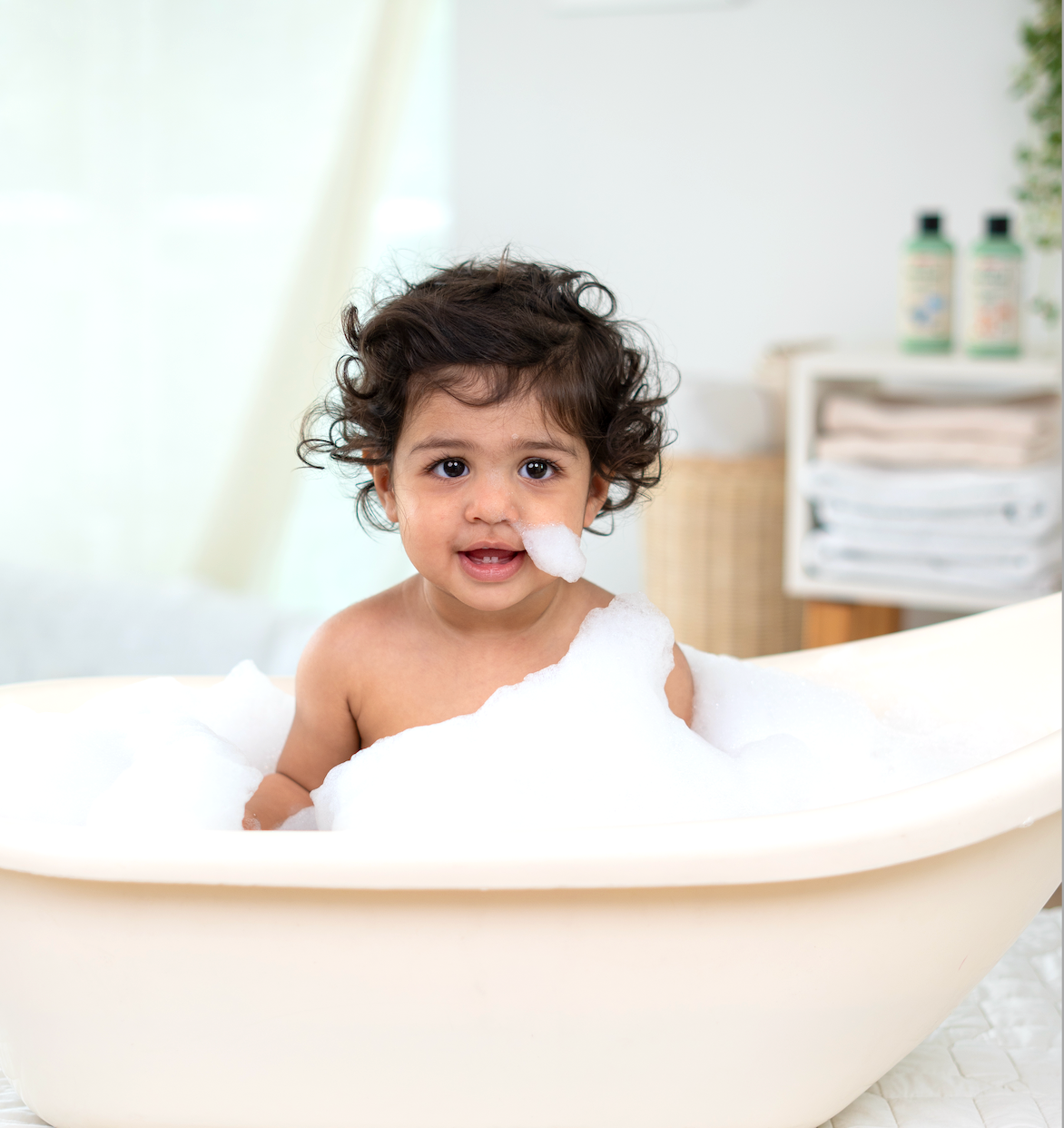

That first little tooth tends to arrive without much warning, and oral care becomes one more thing on the list almost overnight. The truth is, there is no need to wait for it to show up first. Wiping gums gently, getting a feel for what teething actually looks like, and bringing in a baby toothbrush at the right moment all help oral care settle into the day rather than feeling like a new chore.
This guide walks through it properly, from how to clean baby's gums early on, to picking the right toothpaste, to putting together a simple baby oral care routine as those first teeth come in.
When to Start Oral Care for Baby
Mouth care for a baby actually starts long before that first tooth shows up. In the early days, the goal is simple: keep the gums clean and let the baby get used to having their mouth cleaned regularly.
A soft, clean cloth handles this well. Wipe gently along the gums after feeds; no scrubbing or pressure is needed. That light wipe alone is enough to make gum cleaning a normal part of the day.
As the baby grows, age-appropriate tools can be introduced gradually. Getting into the habit early is really the answer to when to start oral care for a baby, since it means actual brushing feels familiar once teeth arrive.
How to Clean Baby's Gums Before the First Tooth
Wondering how to clean baby's gums without upsetting your baby? Keep it simple. Wash your hands, take a clean, soft cloth, and gently wipe along the gums. Toothpaste has no place at this stage; this step is purely about wiping.
If you have been wondering, is it safe to brush baby's gums with a washcloth? The answer is yes. Gentle wiping with a clean, soft washcloth counts as proper early gum care, as long as it stays gentle rather than vigorous. If your baby seems uncomfortable, keep it brief.
As your baby settles into mouth care, a baby brush finger offers another way to clean the gums gently. The Pigeon Silicone Finger Toothbrush fits over an adult's finger, making it easier to reach a baby's mouth while introducing them to brushing.

For quicker days, Pigeon Baby Tooth & Gum Wipes Grape work well too, slotting into any baby oral care routine or wider baby oral care habits already in place.

Moving From Gums to a Baby Toothbrush
Once those first teeth start coming through, brushing becomes the next step. Look for a baby toothbrush with soft bristles and a design suited to their age. At this stage, brushing is not just about cleaning; it is also about getting your child used to the habit.
Teething tends to make this transition a bit bumpy. Common baby teething symptoms include more drooling than usual, chewing on objects, and tender gums. Your baby might not be thrilled about brushing during this stretch, so staying gentle and consistent matters more.
Toothbrush needs also shift as children get older. The Pigeon Kids Toothbrush Red 2–6 Years is built for that age group and is worth considering once your little one brushes with more independence.

There is no need to rush the process. Let your child hold the toothbrush, explore it, and gradually learn that brushing is part of getting ready in the morning and at bedtime.
Do Babies Need Fluoride Toothpaste?
This question arises in every parent’s mind once those first teeth show up. It genuinely depends on the child, since age and individual dental needs both play a part. The most reliable answer comes from a paediatric dentist or dental professional.
When it comes to kids' toothpaste, stick to an age-appropriate product and the amount dental guidance recommends. For younger children, that usually means a very small amount, with an adult supervising so toothpaste does not get swallowed unnecessarily.
The Pigeon Strawberry Toothpaste for Children, 45 gm + Free Kids Blue Toothbrush, works well as a starting option, pairing toothpaste with a toothbrush to make the routine a bit simpler.

Brushing does not need to be perfect from the first attempt. What matters is building the habit gradually and letting your child grow comfortable with it over time.
Build a Baby Oral Care Routine With Pigeon
A solid baby oral care routine does not have to eat up much of the day. In the early months, cleaning the gums once or twice a day is plenty. Once teeth appear, brushing takes over, using an age-appropriate baby toothbrush and following dental guidance for toothpaste.
Pigeon offers a wide range of dental care that covers most of these stages, from the Silicone Finger Toothbrush and Tooth & Gum Wipes for early gum care to a toothbrush and children's toothpaste once those first teeth appear.
Consistency carries this. Keep it gentle, work it into the daily routine, and give your little one time to settle into each step.
Final Thoughts
Baby oral care does not have to feel like a complicated project. Start with gentle gum cleaning, then move on to a baby toothbrush and age-appropriate toothpaste as those first teeth arrive. With a bit of patience and consistency, these small early habits grow into a routine that supports a healthy smile for years to come.
FAQs
Q. Which brush is best for babies?
A. A soft, age-appropriate baby toothbrush is ideal. The Pigeon Silicone Finger Toothbrush can be a gentle option for early gum care.
Q. What toothpaste is best for babies?
A. Choose an age-appropriate toothpaste based on dental guidance. Pigeon Toothpaste for Children Strawberry is an option for young children.
Q. When do first teeth come out?
A. Most babies get their first teeth around six months, although the timing can vary from child to child.
Q. Is it safe to use gum wipes on a newborn?
A. Yes, Pigeon Baby Tooth & Gum Wipes can be used for gentle gum cleaning, following the product's directions.