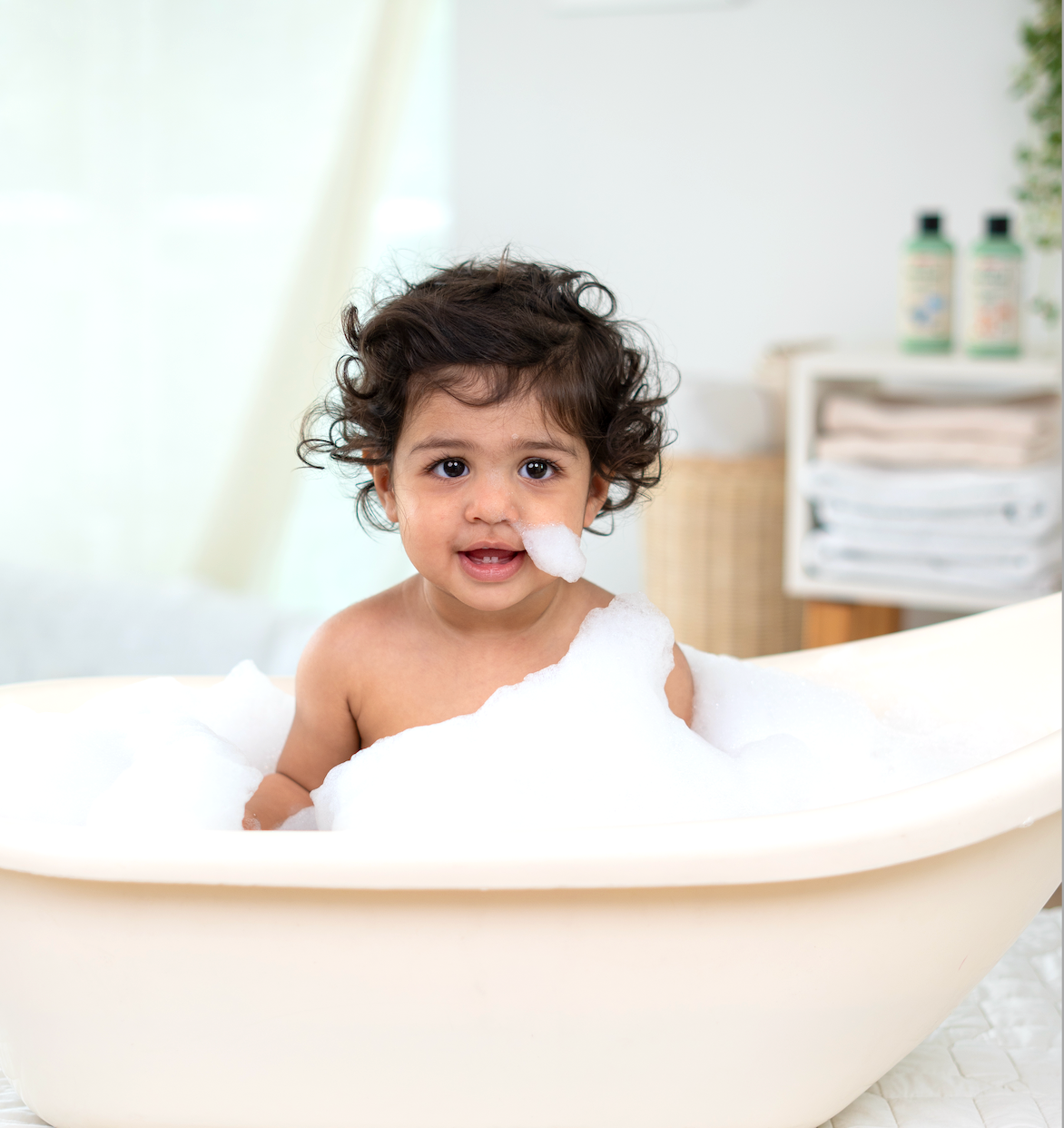

A baby’s first smile is unforgettable. It’s soft, pure, and often arrives before parents even realise how quickly those early milestones begin. But behind that tiny smile is something a lot of new parents overlook - newborn oral care. Even before teeth actually show up, a baby’s mouth still needs gentle attention to support healthy development from the very start.
Understanding baby oral care early on helps you build small habits that protect the gums, make teething a bit easier later, and set the base for lifelong dental health. Let’s go through some simple, practical oral care tips that every parent can follow right from the newborn stage.
Why Newborn Oral Care Matters From Day One
A lot of parents think oral care only starts when the first tooth shows up. But the truth is, a baby’s gums and mouth are already developing way before that. After feeding, a little milk can stay behind in the mouth, and if it’s not gently cleaned, it can lead to discomfort or a small build-up over time. This is why following simple oral care tips for babies early on can make a meaningful difference in maintaining basic hygiene from the start.
Starting early helps things fall into place later. The baby gets used to it, so when brushing begins, it doesn’t feel unfamiliar. At this point, it’s not about teeth; it’s more about hygiene, making sure the baby is comfortable, and letting it become part of the day on its own.
Think of it as laying the foundation for healthy habits that will grow along with your baby’s smile.
Gentle Oral Care Tips For the Early Months
In the first few months, it doesn’t need to be complicated. A soft, clean, damp cloth or a piece of gauze is enough to gently wipe your baby’s gums once a day, usually after feeding or before bedtime. It just helps clear out any leftover milk and keeps the mouth feeling clean.
As your baby approaches six months, you can upgrade this routine with products like Pigeon Baby Tooth & Gum Wipes. Made with 100% food-grade ingredients, these wipes are gentle, safe, and designed for babies aged 6 months and above. They’re also fluoride-free, so even if a small amount is swallowed, it’s not a concern, making them a practical choice for everyday cleaning.
This is one of the easiest ways to follow effective oral care tips without complicating your routine.
Transitioning To Brushing: The Right Time and Tools
A common concern parents have is: Is toothpaste safe for newborns? At the newborn stage, toothpaste isn’t needed. Focus on gum cleaning first.
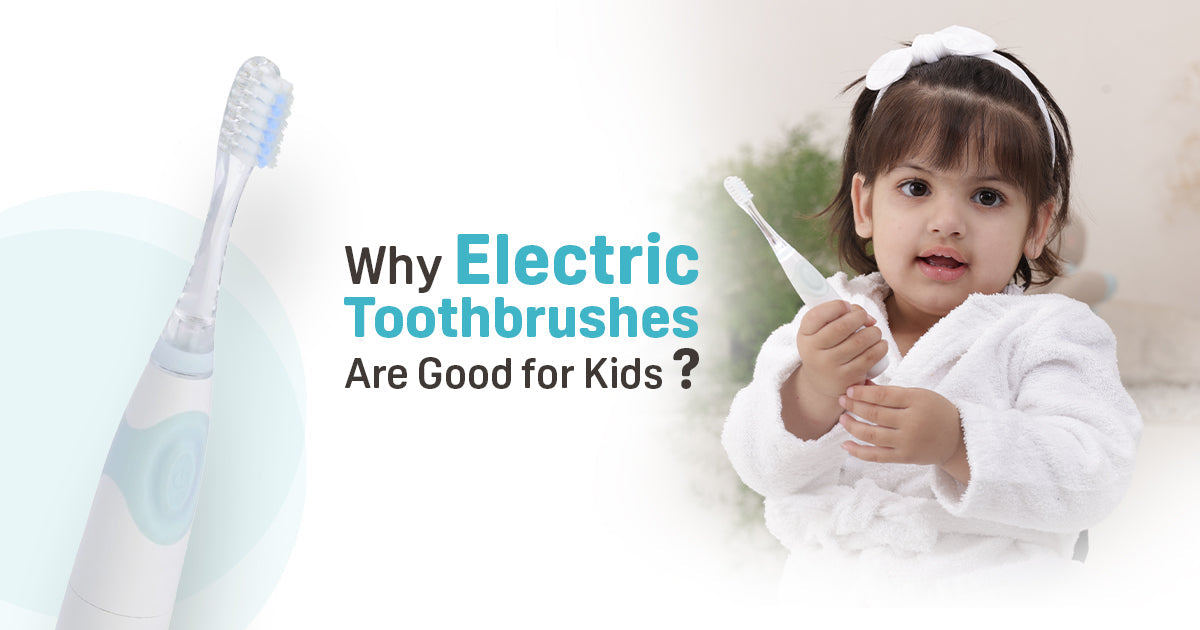
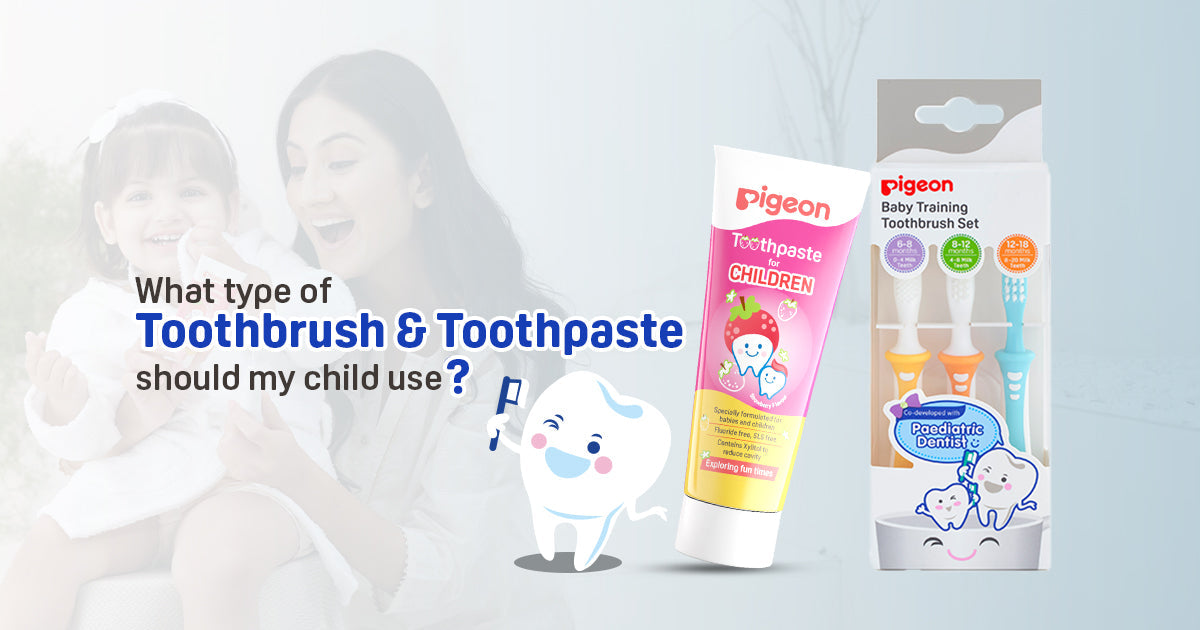
Once your baby’s first tooth appears, usually around six months, you can begin introducing a toothbrush. Choosing the best newborn toothbrush is important here.
The Pigeon Baby Training Toothbrush Lesson 1 is made for babies around 6-8 months, when they’re just starting to get used to the idea of brushing. It features:
-
Fine nylon bristles for gentle cleaning.
-
A curved grip for better control.
-
A soft handle that’s easy for babies to hold.
Co-developed with a pediatric dentist, this toothbrush helps your baby get used to brushing safely and comfortably. And Pigeon’s toothpaste range comes with the Indian Dental Association (IDA) seal, adding an extra layer of trust for parents choosing everyday oral care essentials.
What is the Best Oral Care Routine for Newborns?
The best oral care routine for a newborn doesn’t come together all at once. It builds slowly, as your baby grows and gets used to these small habits.
You can begin with simple things like gently cleaning the gums with a soft cloth or wipes. Once the first teeth start to show, you can move to a training toothbrush. The focus is to keep it calm and familiar, so it doesn’t feel like something the baby pushes away.
As more milk teeth come in, usually around 6-8 months, brushing starts to matter more. That’s when using a soft-bristle toothbrush helps.
The Soft Bristle Toothbrush for Baby (Lesson 1) by Pigeon works well at this stage. It has a soft-grip handle and gentle bristles, so it cleans properly but still feels comfortable on the baby’s gums.
Is Fluoride Toothpaste Necessary For Babies?
Once teeth start coming in, this is something most parents end up thinking about. Fluoride toothpaste helps protect teeth from decay, but with babies, it needs to be used carefully.
This leads to another common question: Is it safe to use toothpaste for a 6-month-old baby? In most cases, minimal or no toothpaste is recommended at this stage.
For babies under one year, toothpaste isn’t needed unless a doctor suggests it. Around six months, when the first teeth start showing, you can use a very tiny amount, like a rice-grain-sized smear, if you’re brushing.
It can be safe, but only in a very small amount and only if it’s meant for infants. At this age, babies don’t spit; they just swallow, so you really have to be careful with how much you’re using.
The focus should remain on gentle cleaning rather than product use.
How Should Baby Oral Care Change With Age?
As your child moves into the toddler stage (around 2-6 years), oral care starts to get more structured.
The Pigeon Kids Toothbrush with Free Toothpaste (2-6 Years) fits in well at this stage. The bristles are soft and rounded, so they clean without being harsh, and the handle is shaped in a way that’s easier to hold, whether you’re helping or your child is trying to brush on their own. It also comes with a small toothpaste, so you can get started without needing anything extra.

At this stage, brushing should follow a simple method:
-
Apply a small amount of toothpaste.
-
Gently brush each section of the mouth for about 30 seconds.
-
Aim for a total brushing time of 2 minutes.
This helps establish proper brushing habits early on.
Building Lifelong Habits From The First Smile
Your baby’s first smile is just the beginning. With the right newborn oral care, you’re not just keeping their mouth clean; you’re also setting up habits that will stay as they grow.
Simple things like following a few oral care tips, using the right tools for their age, and starting at the right time can make it all feel a lot more natural and less overwhelming.
Pigeon’s essentials are designed to support you through these stages, from early gum care to when brushing becomes part of the routine.
Because a healthy smile doesn’t start with the first tooth, it starts with the small things you do every day, even before that.
FAQs
Q. Do newborns need oral care?
A. Yes, even without teeth, cleaning gums helps remove milk residue and supports early newborn oral care habits.
Q. What is the safest toothbrush for babies?
A. A soft, small-headed brush with gentle bristles, like infant-friendly options from Pigeon, is safest for delicate gums.
Q. Can babies get cavities before age 1?
A. Yes, prolonged milk exposure without cleaning can lead to early decay, so consistent baby oral care is important from the start.